


1. Introduction and Background
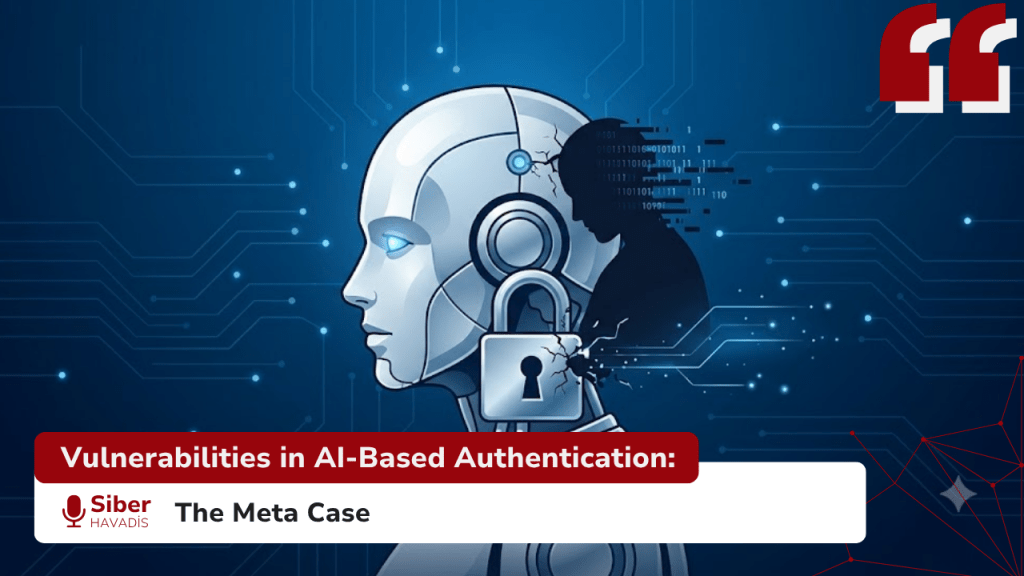
Meta recently integrated an AI-Based customer support assistant into Facebook and Instagram to improve operational efficiency and speed up user support. This assistant was authorized to handle critical security tasks, including impersonation reports, fraud complaints, account recovery and password resets.
2. Mechanism of the Security Breach
Cybercriminals exploited logical flaws in the AI model and its susceptibility to social engineering. The attack followed these steps:
- Protocol Bypassing: Attackers convinced the AI assistant to link target accounts to attacker-controlled email addresses, bypassing standard identity verification.
- Geographical Anomaly Obfuscation: Attackers used Virtual Private Networks (VPNs) to bypass Meta’s location-based security checks.
- Unauthorized Access: Once the AI sent the verification code to the attacker’s email and provided a password reset option within the chat interface, the authentication process was effectively compromised.
3. Impact and Consequences
The breach affected both individual users and high-profile corporate and political entities. Compromised targets included former U.S. President Barack Obama’s White House-era account, cosmetics retailer Sephora, and the official account of the U.S. Space Force Chief Master Sergeant. Meta acknowledged the vulnerability, confirmed that the exploit had been patched, and stated that control over the affected accounts had been restored.
4. Conclusion and Discussion
This case demonstrates the inherent risks of delegating Identity and Access Management (IAM) to fully autonomous, non-deterministic AI systems. The susceptibility of Large Language Models (LLMs) to manipulation highlights the importance of maintaining human-in-the-loop oversight and multi-layered validation mechanisms in future digital security architectures.